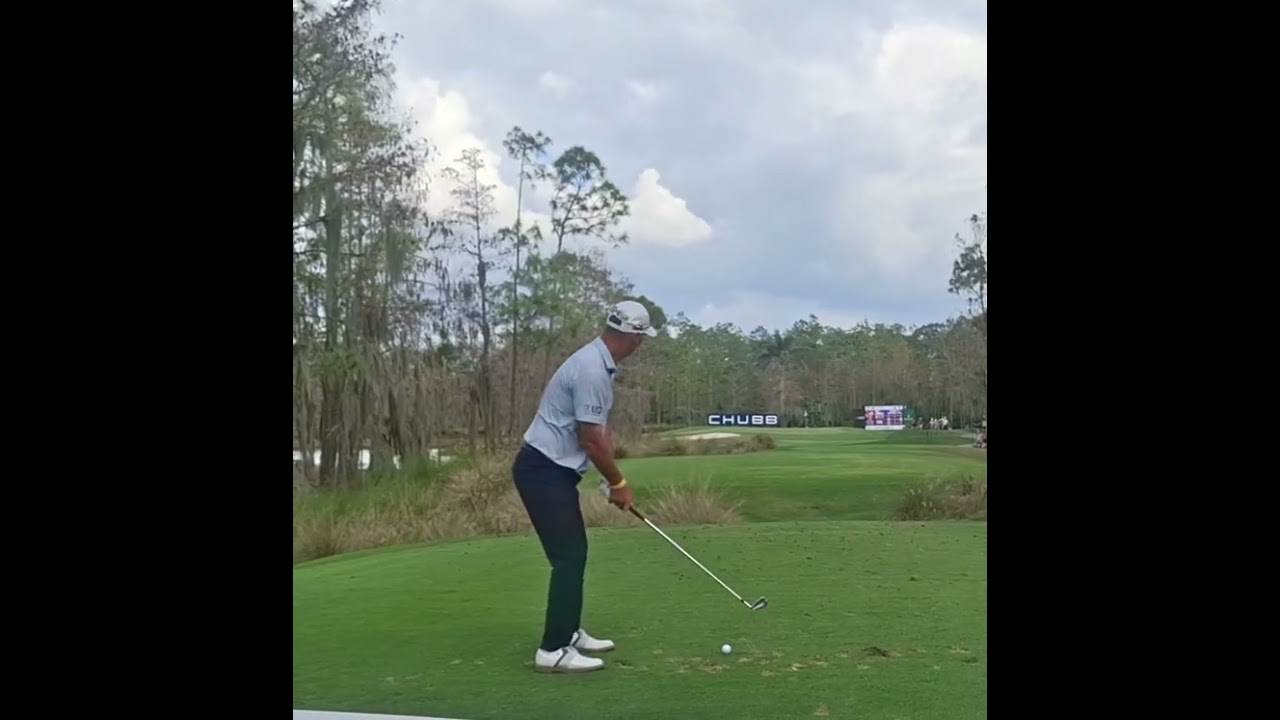
Would be interested to hear some thoughts on Tom Lehman. Open Champion and briefly World number 1 before Tiger came along.
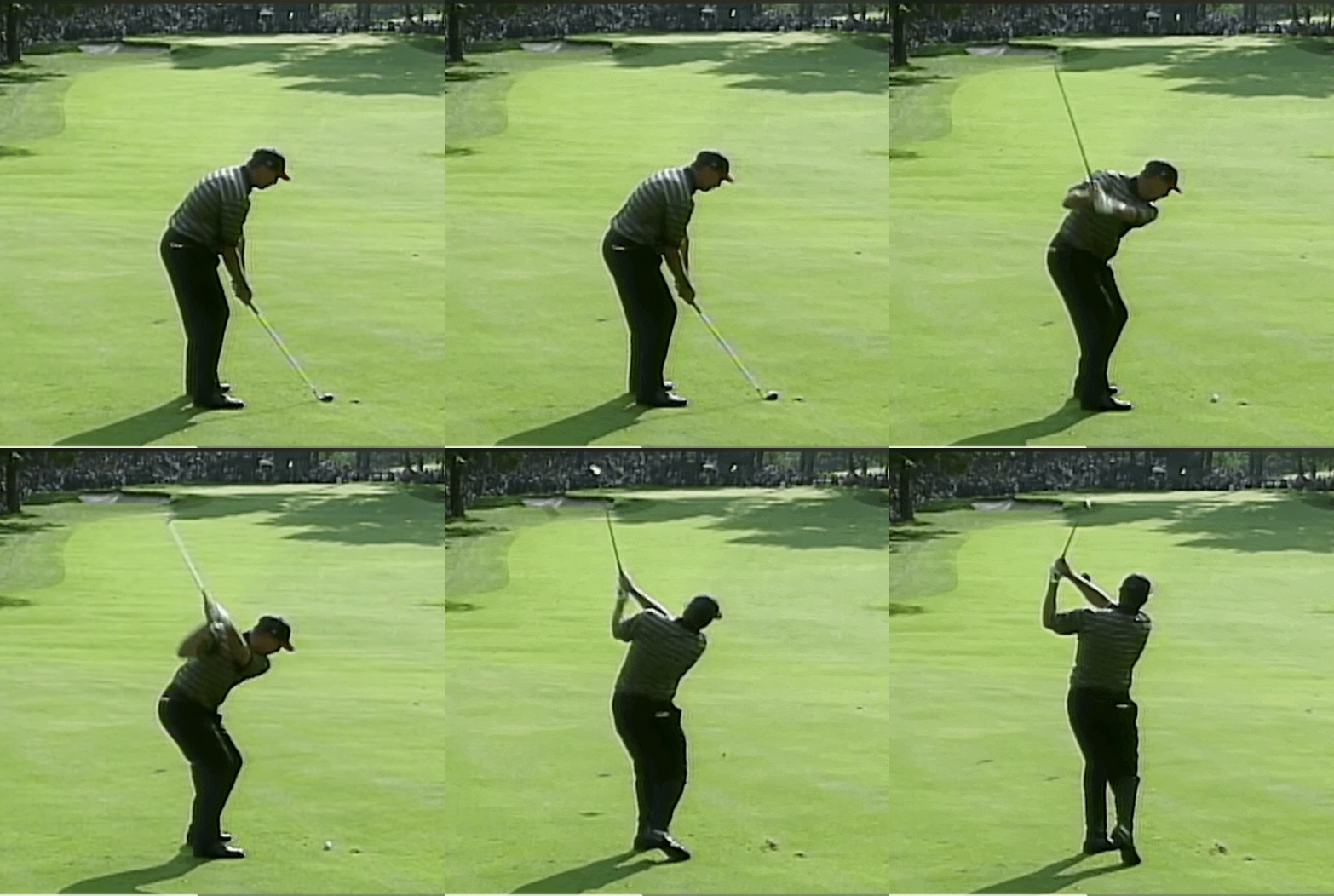
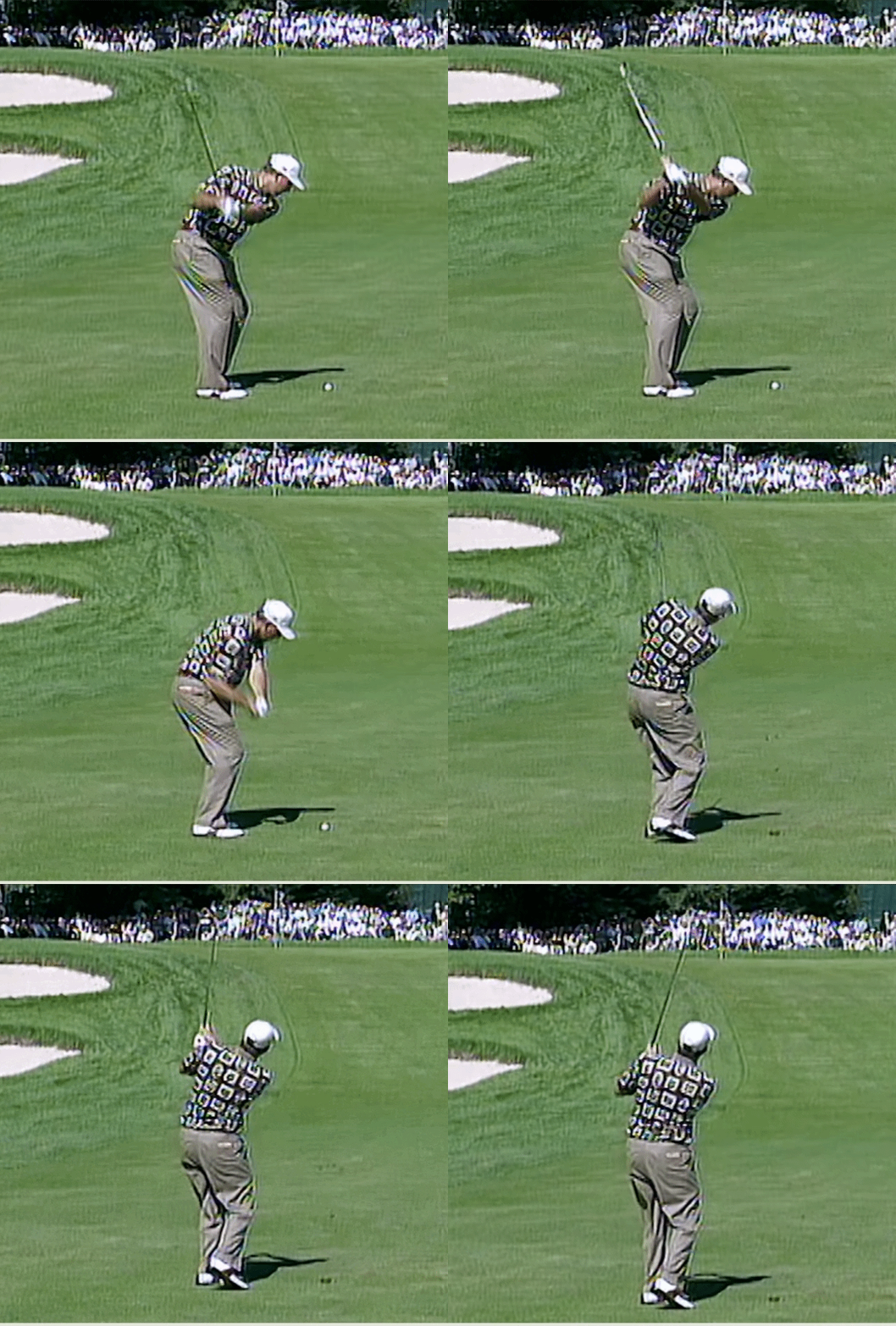
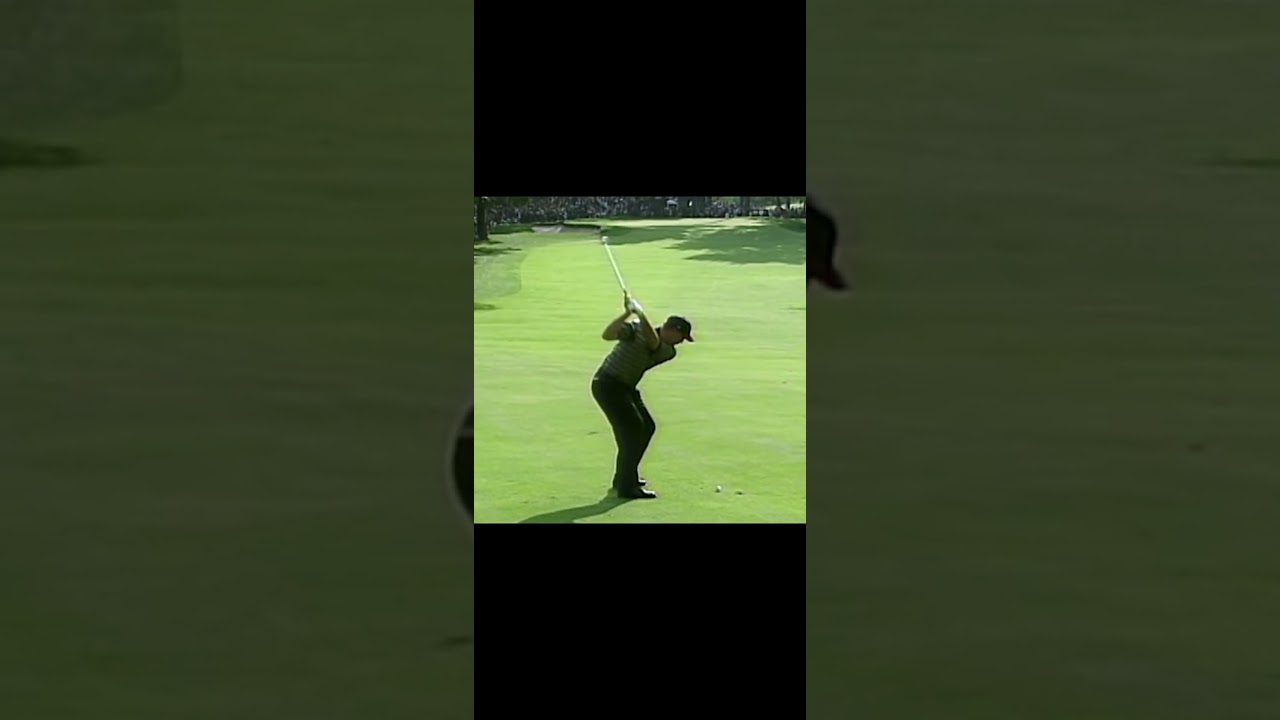
Would be interested to hear some thoughts on Tom Lehman. Open Champion and briefly World number 1 before Tiger came along.
Shaft flattening nicely… good Mod 3 action. Level rotation. Holds wrist cock nicely through the strike and into P4…
Tom Lehman’s golf swing is admired for being simple, repeatable, and driven by solid body mechanics. When he sets up to the ball, he uses a classic, well-balanced posture and a neutral grip that helps keep the clubface square from start to finish. His takeaway is smooth and wide, with the club staying just outside his hands early on—this gives him great structure and keeps extra wrist action to a minimum which works well for his swing dynamics.
At the top of the backswing, Lehman keeps things compact and controlled. He makes a full shoulder turn without letting his arms lift too much, which keeps the club nicely on what many look at as the plane. As he starts the downswing, everything transitions effortlessly. His lower body leads the way, creating that signature “delayed hit” look, while the club shallows extremely well due to him starting the transition from the ground up
Through impact, Lehman’s motion is powerful but never rushed. His chest rotates through the ball, and his hands deliver the club extremely powerful which produces a strong, stable ball flight. The follow-through stays balanced and fully extended, showing how much he relies on rhythm, good sequencing, and body rotation instead of hand manipulation.
Overall, his swing is a great example of consistency—efficient, grounded, and something everyday golfers can learn from if they want a dependable move under pressure.
I think he’s a great study for those working on the rotated plane - aim left, back ball position, bow to the 4:30 line and hit it out to the right. Hands go left, shaft flattens to P4 - possibly a bit one dimensional in terms of only hitting draws. But very predictable initial ball flight to the right.
All good points..
I didn’t see a lot of him because I was out of the game completely during his top years. I did know of him from before being a really good player. There was another Ted Lehman who played on the PGA Tour and was on my high school team.
2009 he was at his best ball striking peak of his career, it doesn’t say directly on PGA Tour stats.
But I have a custom stat that combines driving distance + accuracy and GIR + proximity and he led the tour that year. There are some good videos of his swing in 2009.
He moves his knees similar to Byron Nelson on the way through, doesn’t really straighten them through impact.
He’s not lame, man - har! har!
Yes indeed a great study, Lehman does some things extremely well and he made the decision at an early stage to play his draw and and survive on it which made his course management and patience grow waiting on the right opportunities to attack. In that is a lesson within itself for many golfers. Play smart and wait for your green light opportunities.
Good action- knees are under him where they should be when hitting into the legs, not around them. Liked watching him play.
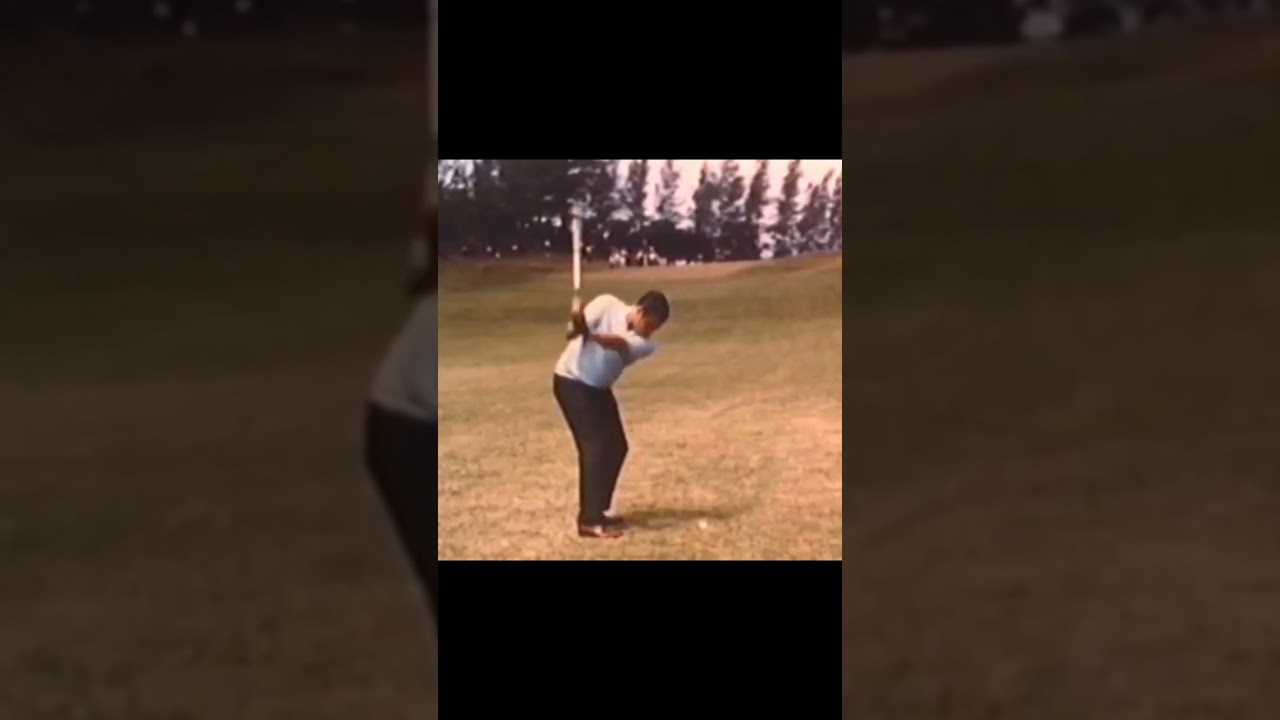
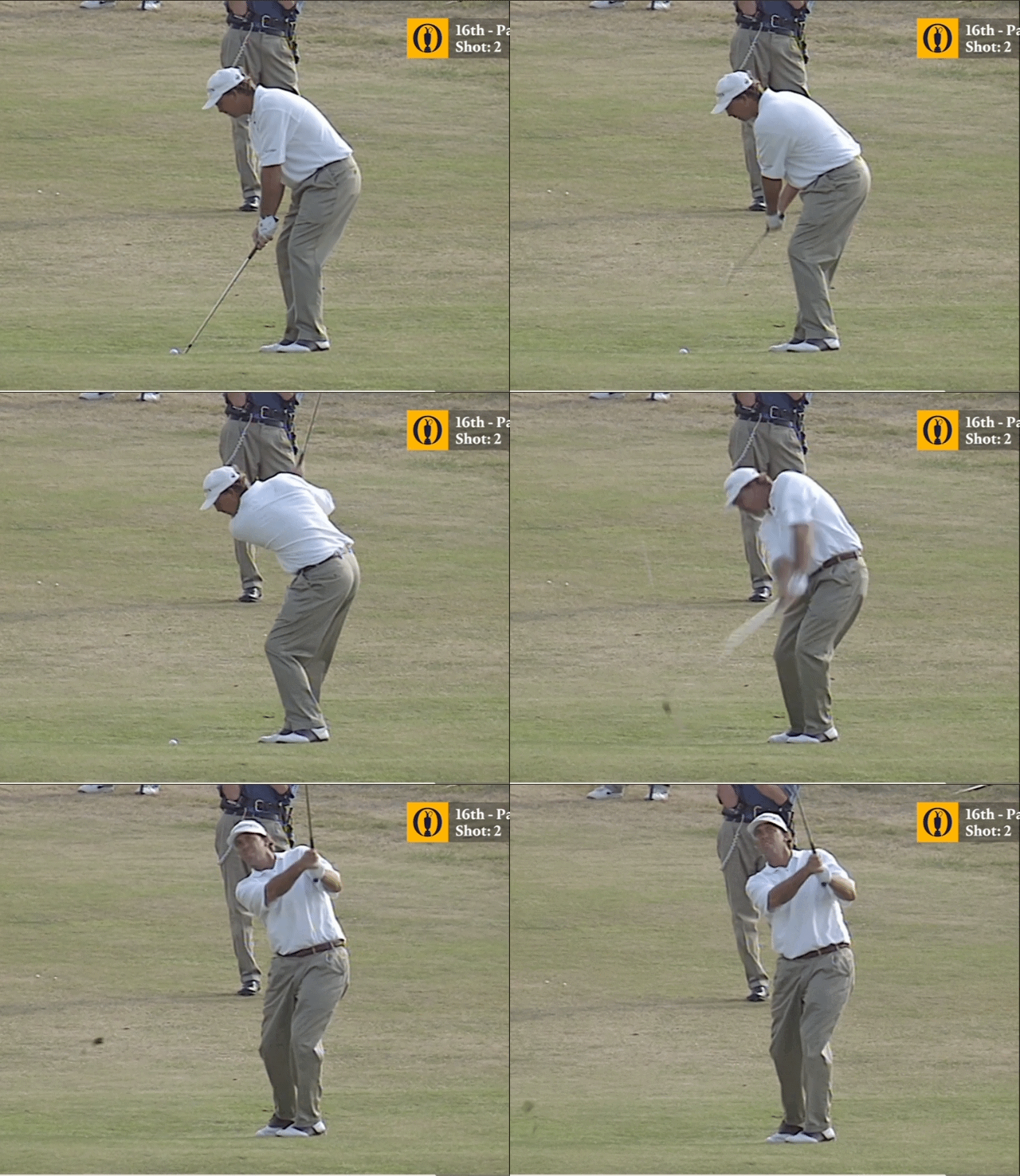
Peter Alliss.
Cut from a similar cloth to Lehman.
This was taken from the SWWOG against Tony Lema.
I should say so. When looking at both Alliss and Lehman the sensation of the strike-process being a full body uppercut comes to mind. Nice channel by the way, real nice.
I see what we work on in mod 8 Ratter. Back ball position, pull it up the 4:30 and rotate the plane out to the right. Not much chance of a pull here, maybe a hook.
Same basic action for sure…
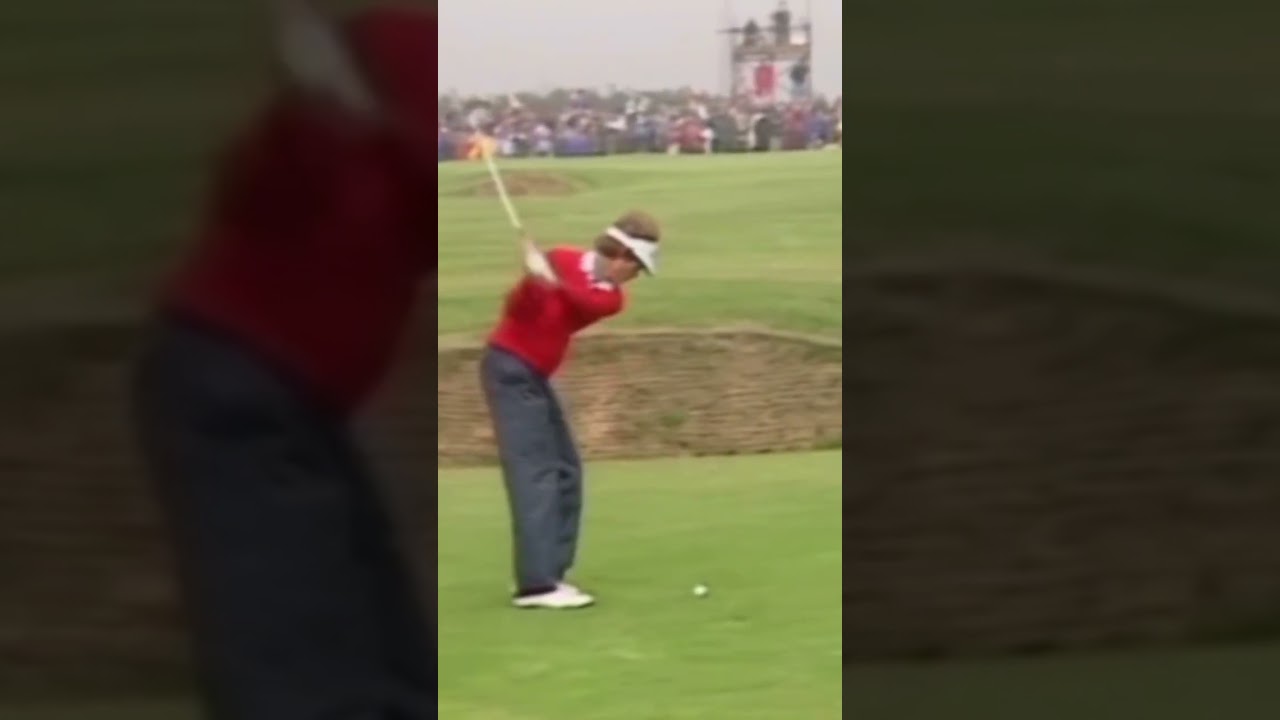
Azinger. Similar aim left, pull it up the 4:30 line and push it out to the right. I suspect he wasn’t all draws like Lehman.
When I lived in Hawaii back in 2007 I saw Azinger at Waialae Tournament…I followed him for most of his round and he hit low draws on every shot. He came over to the ropes and complained to me about Elkington playing in front of him leaving spike marks around the hole and not fixing them. Pretty cool.
Great leg action by all three is what stands out- no pogo sticking off the ground. The legs and pelvis carrying the message so the hands and arms can deliver the message.
Similar action here: standing the club up going back, strong legs reversing down into the strike from underneath. Hands out a tad bit at address compared to the other chops in the thread which usually brings a little throw-y action near the bottom, but pretty solid leg drive overall.