Found one key to improve my journey

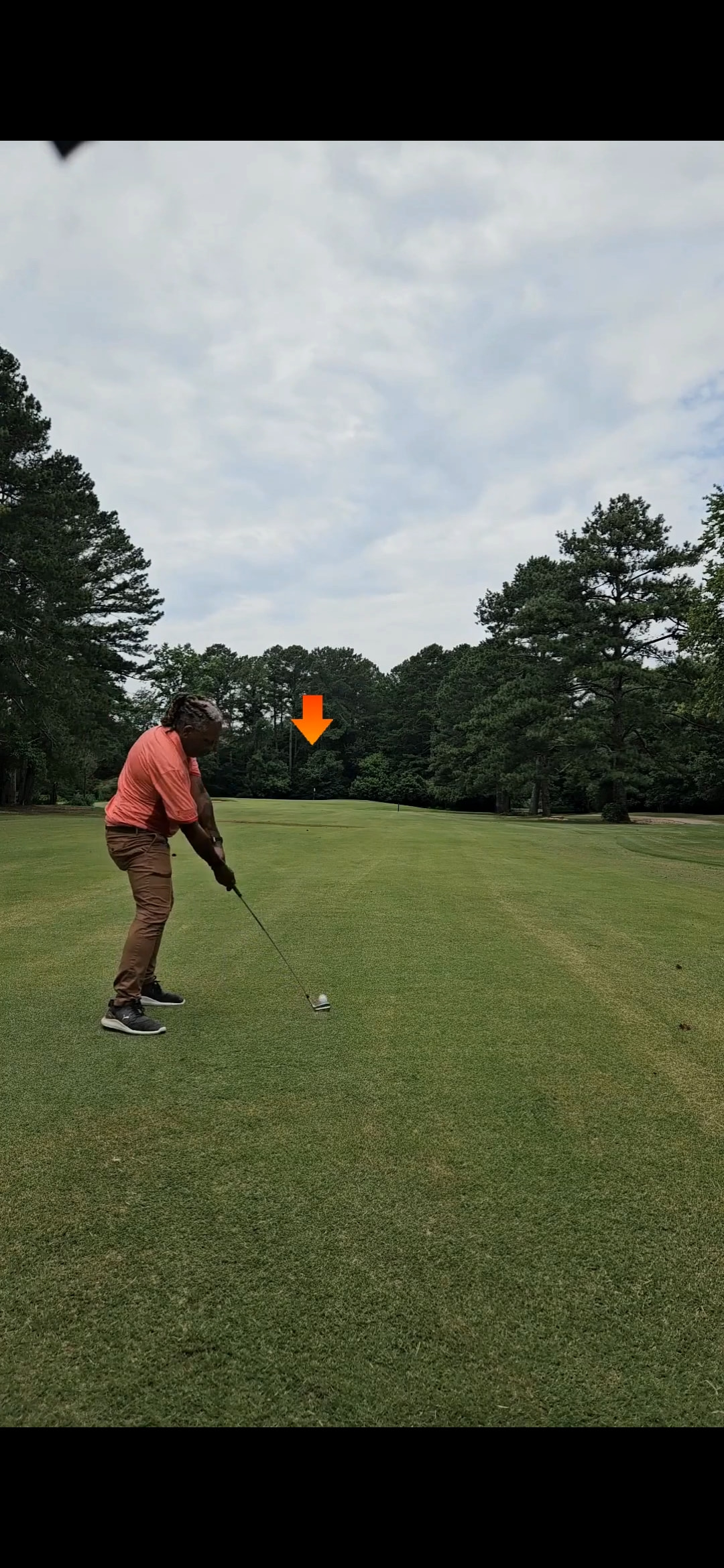
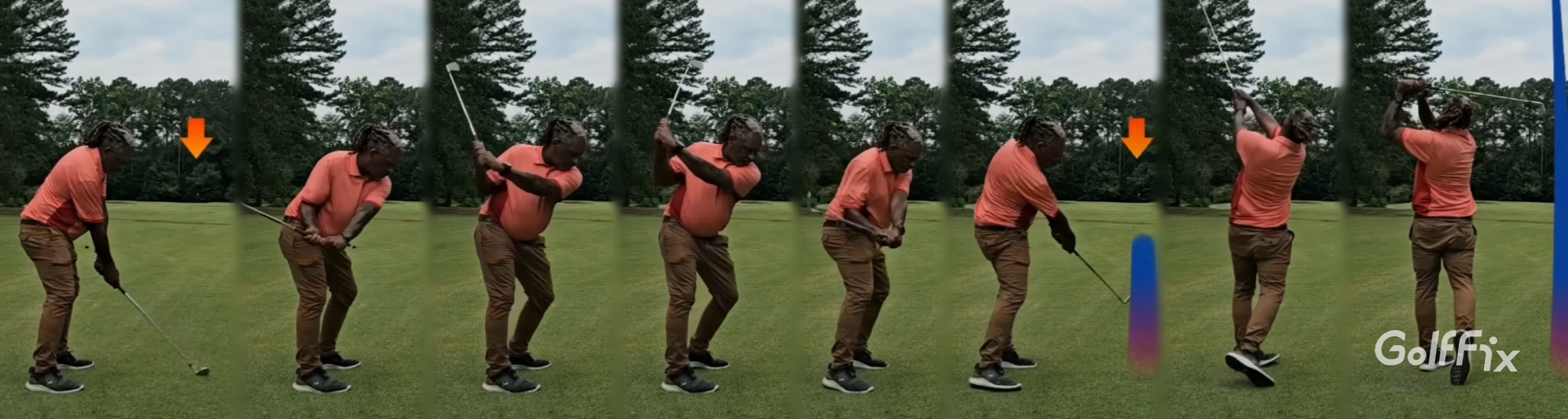
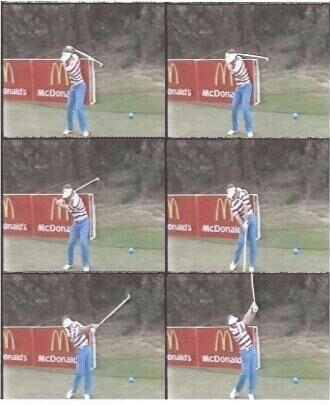
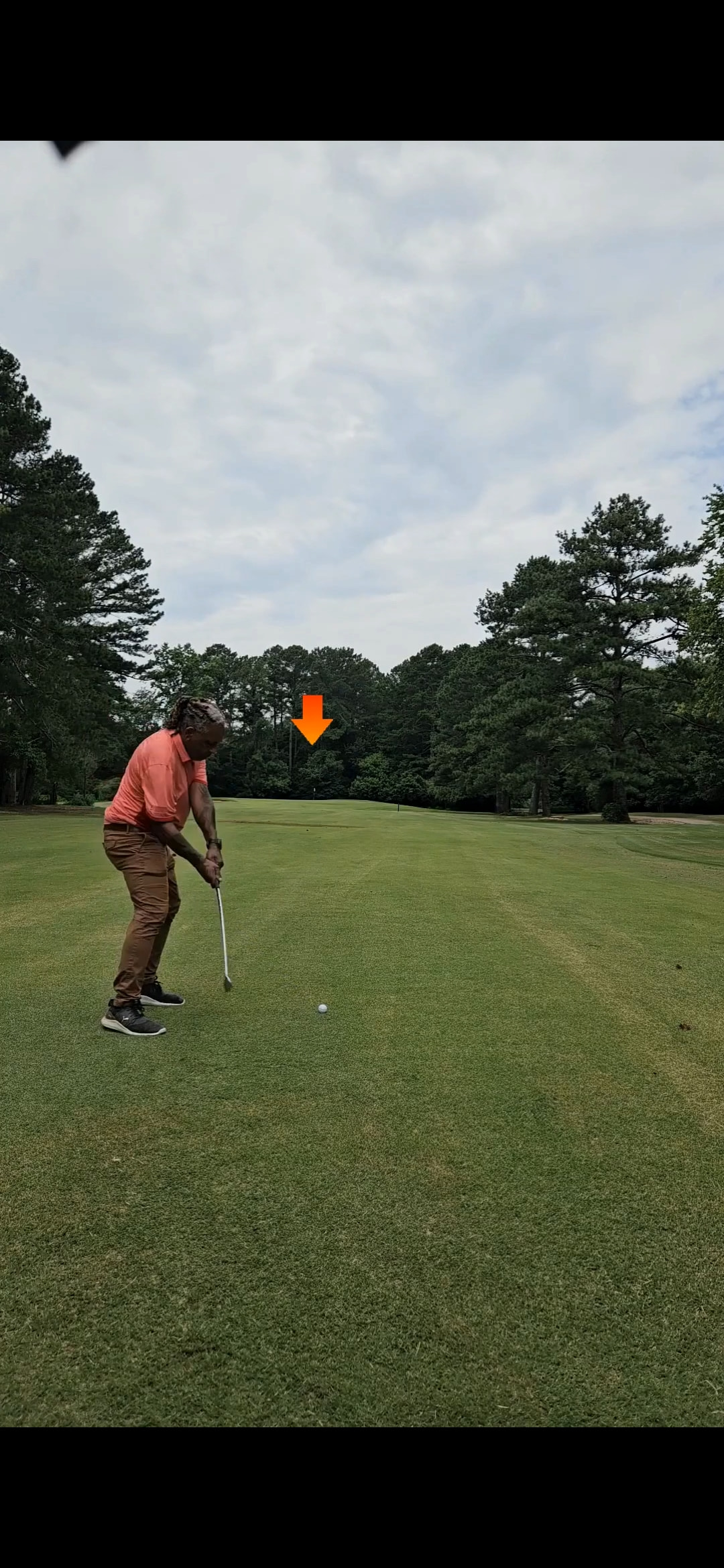
I’m getting ready for surgery so I said let me break down my swing and fix a few things and I have one of my goals figured out now I have to apply the knowledge on the training field and golf course. In the final photo before impact I have lost trail wrist structure. The trail wrist should still be in extension which will keep the shaft a tad more behind resulting in an even more powerful impact position. Plus trail elbow should be much tighter and pelvic should be at least 25% more open at impact than it is now.

I spend a lot of time breaking down and fixing clients swings but rarely ever break down my own swing to frames and pinpoint flaws. I think I will start doing this more often.

But I will also add a better motion from the top of backswing into early downswing is most likely the best plan of attack. @lagpressure what are your thoughts ?

When the trail wrist loses structure isn’t that a sign that something ahead slowed down. Not speaking for Lag, only speaking for Ratpressure. :grinning_face_with_smiling_eyes:

Tell you a little story. During one of my normal Rat digging projects, well before I saw Lag updated his Tube channel from very early V1-ABS, it occurred to me that there are what I called then “the three bottoms”- 1. from the transition to right hip pocket area. 2. pocket area to strike and 3. strike to first parallel post impact.

Each of those 3 pieces, or “bottoms” are, even though it looks like they’re still routing from the inside, actually an over move left from inside the line if encountering a stall- and it’s hard to see.

The first bottom is easily seen and a lot of people can nail it, but it’s the second bottom that’s most critical, but you can’t work on that piece directly because the key for the second bottom is the 3rd bottom. Bottoms 2 and 3 are also inside moves, they’re not going left they’re still inside and any stalling immediately kicks the arc over what it should be (not very noticeable though) with a left direction.

Then one day while slumming around Lag’s channel catching up on the latest from West of the fault line, I saw his video titled “The Three Stage Rocket Firing”. As Bom222 once said…It’s a Small World.

1 Like

Spot on Dr Kwon also is a huge advocate and teacher of find the issue then reprogram it from the position before and 75% of the time you can find the culprit in the transition from the top of the backswing into early downswing. And that’s where I found my little gremlin also. In motion the shaft is bouncing up towards 12 o’clock which is a power leak and motion that has to be rerouted also which is unnecessary extra energy ie wasted energy.

It’s an issue that I have had to address in the past and simply got lazy since I was still striking the ball well and maintaining a clubface to target data point of -2.3 which is right up there with Division 1 golfers clubface to target metrics.

The fix is a relatively simple fix for me as long as I have a clear intent in my next 3-6 weeks of training. I have to feel like I am pulling a sword out of a sheath that is on my back, that way the shaft/head does not bounce up to 12 o’clock but moves horizontally which is a huge power source to the “second bottom” as you have coined it.

It’s a two prong solution.

  1. Be more cognizant about the transition and make sure that I am unweighting from the top ie Sam Snead squat but it doesn’t have to be as much as Snead just enough to get the weight of the implement to drop with the pressure shift.
  2. I have to make sure I am pulling the handle horizontally from the top versus pulling down on it prematurely which causes the head to bounce up to 12 o’clock and maintain the back to the target as long as possible while pressure is moving to the target side hands and arms move last concept.

While I was in pre-op and post-op today a total of 6 hours I had time to totally break down my swing frame by frame like I do with clients daily but rarely if ever get to do my own. So I apologize for the long response but I just wanted to add a little more context from a golf biomechanical perspective.
Also I am going to look for the video that @lagpressure made that you mentioned and I would also appreciate @twomasters chiming in also. As coaches we value opinions of other coaches but rarely get to enjoy it due to our teaching schedules.
@RangeRat thank you for your comment and if you don’t mind I am going to add the “ three bottoms “ vernacular to my teaching toolbox.
Cheers

Yes. Looking at this as an ABS-style swing (Advanced Ball Striking), there are some very good pieces here, but also one major issue that jumps out.

The Good

1. Excellent coil

  • 90° shoulder turn.
  • 45° hip turn.
  • Nice separation between shoulders and pelvis.
  • Plenty of stored energy without looking forced.

For a senior golfer, that’s actually very good mobility.

2. Maintains posture well

  • Spine angle is stable.
  • Doesn’t stand up during the backswing.
  • No major loss of inclination.

3. Good rotation through finish

  • Pelvis reaches -82°.
  • Full finish.
  • Weight clearly gets forward.

Many golfers never rotate this completely.

The ABS Concern

The biggest thing I see is the downswing sequence.

At the downswing frame:

  • Shoulder tilt = 60°
  • Pelvis rotation = 0°

Then at impact:

  • Pelvis only -16°

For ABS teaching, that is not enough opening of the lower body.

The golfer appears to be:

  1. Making a great backswing.
  2. Starting down mostly with the arms.
  3. Delivering the club with the chest still relatively square.
  4. Then rotating hard after impact.

ABS wants:

  • Recenter
  • Open pelvis sooner
  • Arms fall
  • Deliver from inside

This player looks more like:

  • Turn back
  • Pull arms down
  • Rotate later

What Would Ball Flight Likely Be?

I would expect:

  • Pulls
  • Pull fades
  • Weak fades
  • Occasional blocks

depending on face control.

The club is probably arriving slightly steeper than necessary.

P6 Analysis (ABS View)

The frame just before impact is where I would focus.

I would want to see:

  • Belt buckle more open.
  • Right elbow more in front of right hip.
  • Hands slightly deeper.

Instead, it looks like the hands are working down toward the ball while the pelvis is waiting.

That is why the body has to “catch up” after impact.

What John Erickson Would Probably Say

Something like:

“The pivot isn’t leading enough. The arms are outracing the body.”

Not a huge fault.

Not over-the-top.

Not casting.

Just a sequencing issue.

Best Drill For This Player

ABS Freeze Drill.

At the top:

  1. Open pelvis 15-20°.
  2. Keep shoulders turned.
  3. Let arms drop.

Repeat without hitting balls.

The golfer needs to feel:

“Open first, then drop.”

rather than

“Drop first, then open.”

Overall Grade

Backswing: A-

  • Good turn.
  • Good posture.
  • Good loading.

Transition: C+

  • Arms start dominating.
  • Pelvis stalls temporarily.

Impact: B

  • Still gets into a playable impact.

Finish: A

  • Fully rotated.
  • Balanced.

If I were coaching this golfer through an ABS lens, I would spend almost all my time on transition and early downswing, not the backswing. The backswing is already good enough to play very solid golf. The next level comes from getting the pelvis opening earlier so the arms can simply fall into the slot instead of feeling like they have to race down to the ball.
2 Likes

This is dead spot on the same adjustments and diagnostic conclusion that I came to while in Pre- & Post-Op. I am going to save this entire response because it truly reinforced what I was thinking . The rubber meets the road with the transition and getting that target side pelvic girdle more open to the target while the arms stay behind.
Thank you my friend :in_hole::in_hole::in_hole::check_mark::check_mark::check_mark::white_check_mark::white_check_mark::white_check_mark:
Cheers

My normal ball flight is a tight baby draw i have to orbit pull really hard to hit cut shots but I can hit them on demand with no problem and my transition and trail elbow structure stays tighter but I love my draw shot it has won me a lot of bets over the years.

Again thank you for your response it was the perfect response for someone that actually plays a lot of golf versus hearing just do more Mod work etc.
@Slinger72 I appreciate your response big time.
Cheers

1 Like

I will just throw this pic up

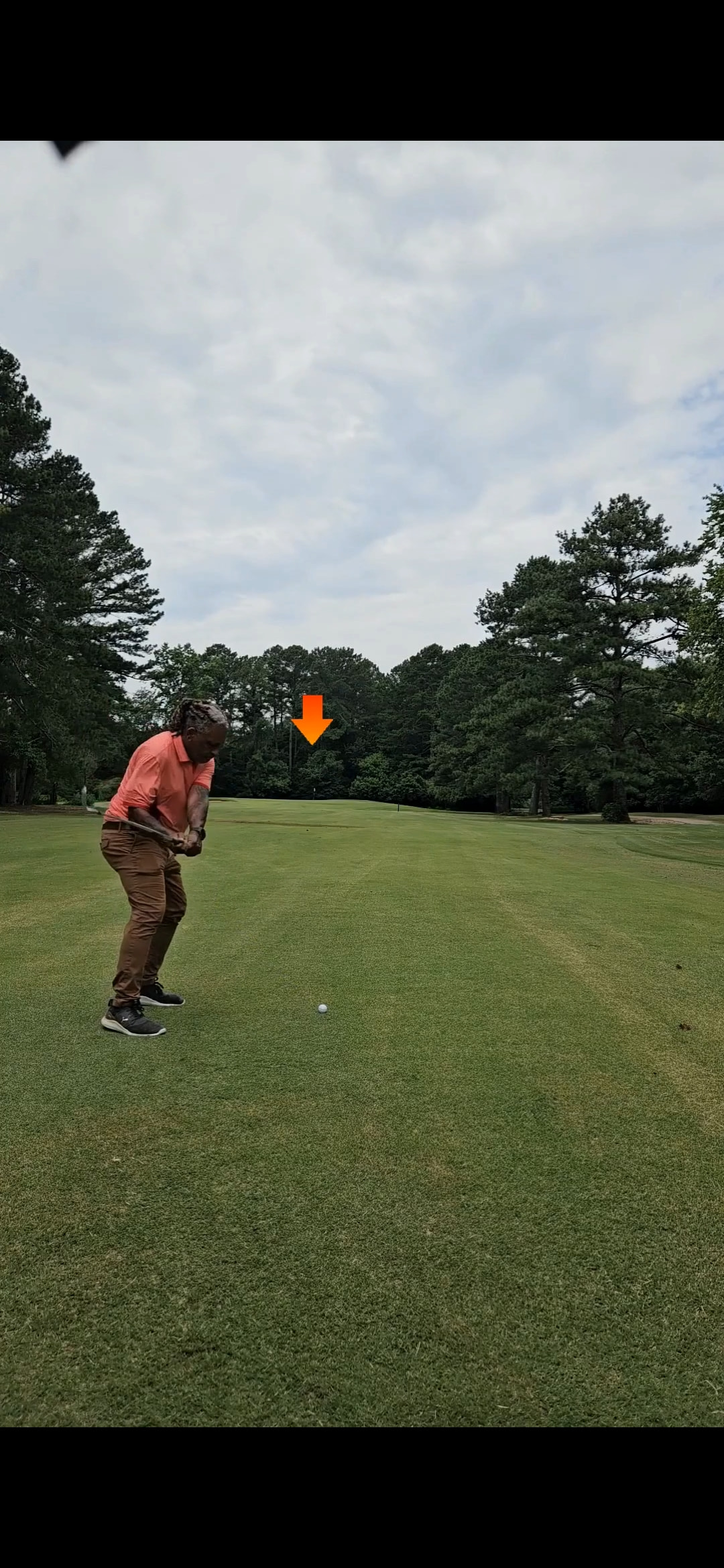
Of me hitting a shot from the 4th tee at Riverside Oaks in the Players Championship back in 1990.

The middle left photo tells the story of transition. Leg push- particularly the right leg. Forearm rotation to lay the shaft back behind a body that wants to move lateral to the target. Torso still closed to open the slot.

From there it was WHAM the release and keep moving the pivot to the finish. PV5 in bottom right pic gives all that info away. Cos you can’t get to that point without pivot pull from using the ground strong. Majority of golfers shafts are well folded past the hands nowadays.

3 Likes

One key that I am using that is helping with the Reprogramming sessions I’m going through is target side shoulder stays closed to the target line until the last second while feeling the shaft is still behind me.

1 Like

I love those sequences. The clubhead seems to orbit so closely on the approach and then the width is amazing post impact into the finish. It’s not something that can be faked. Just fabulous!