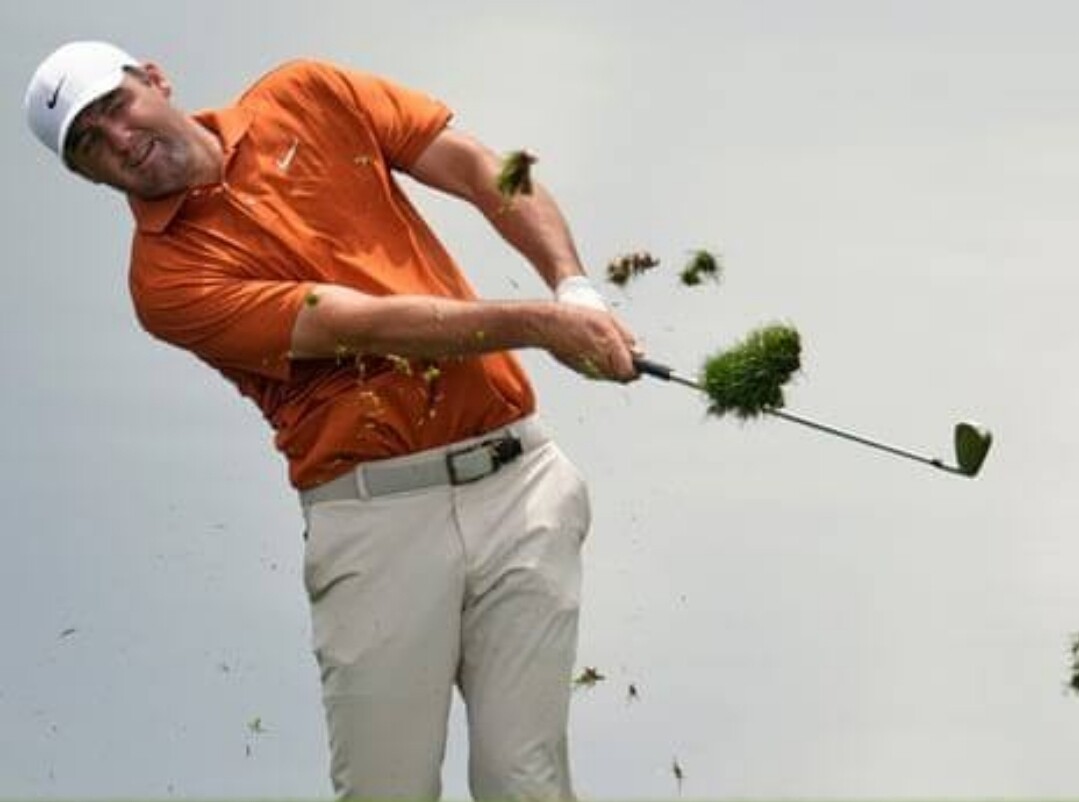
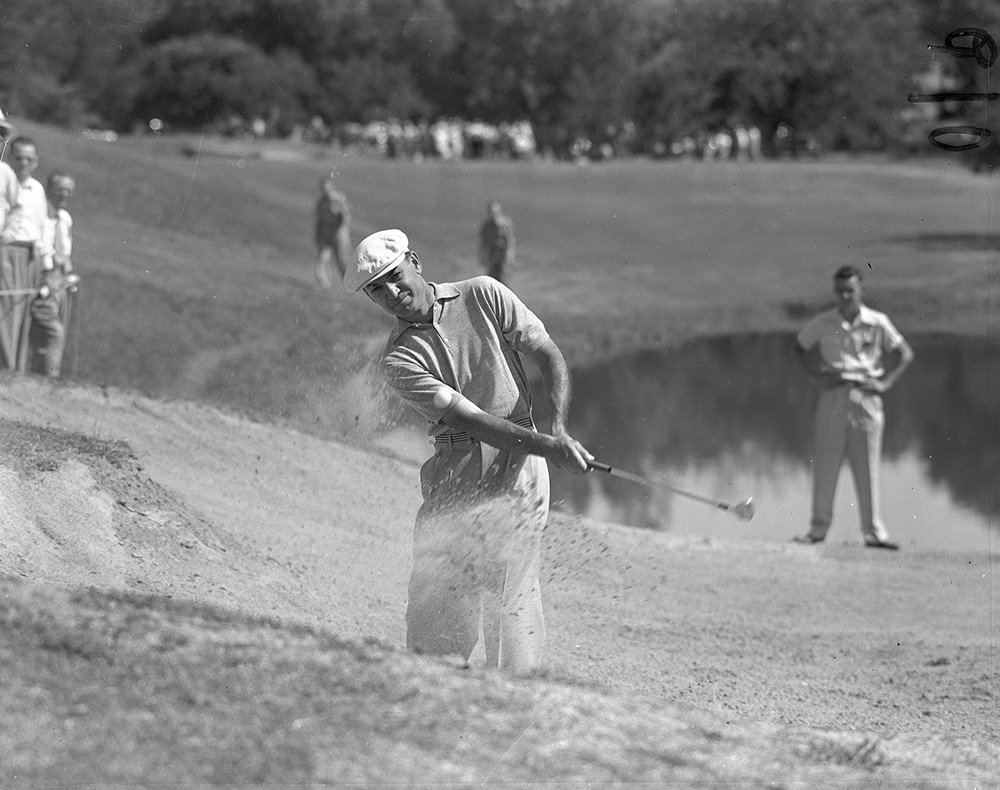
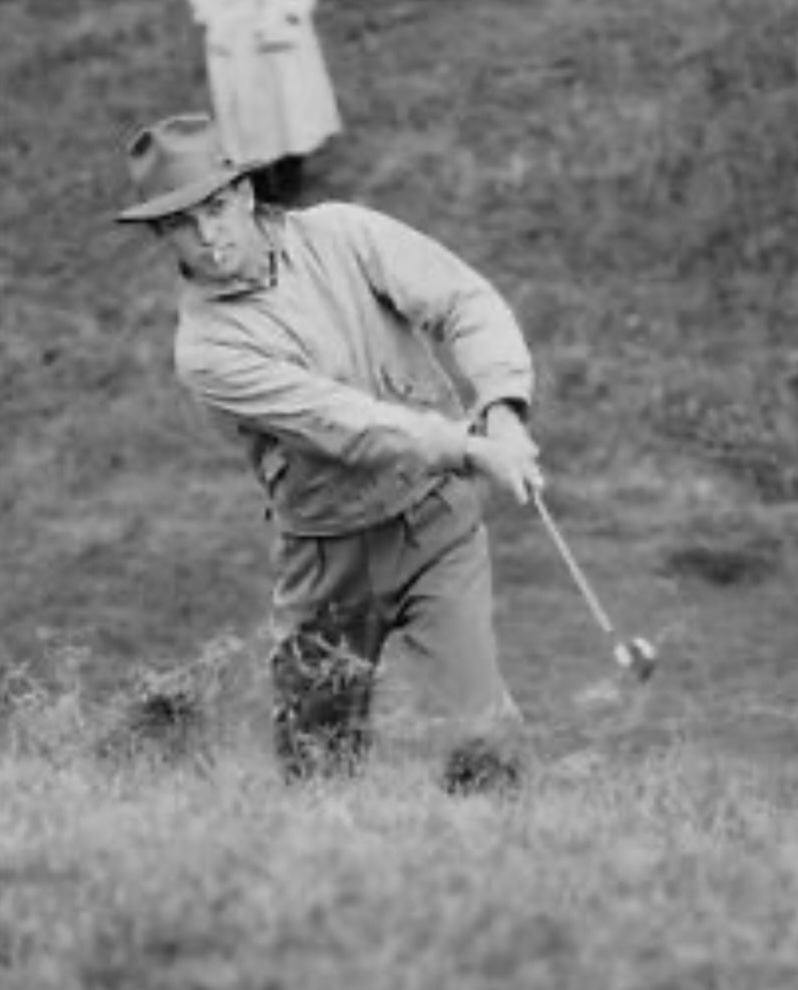
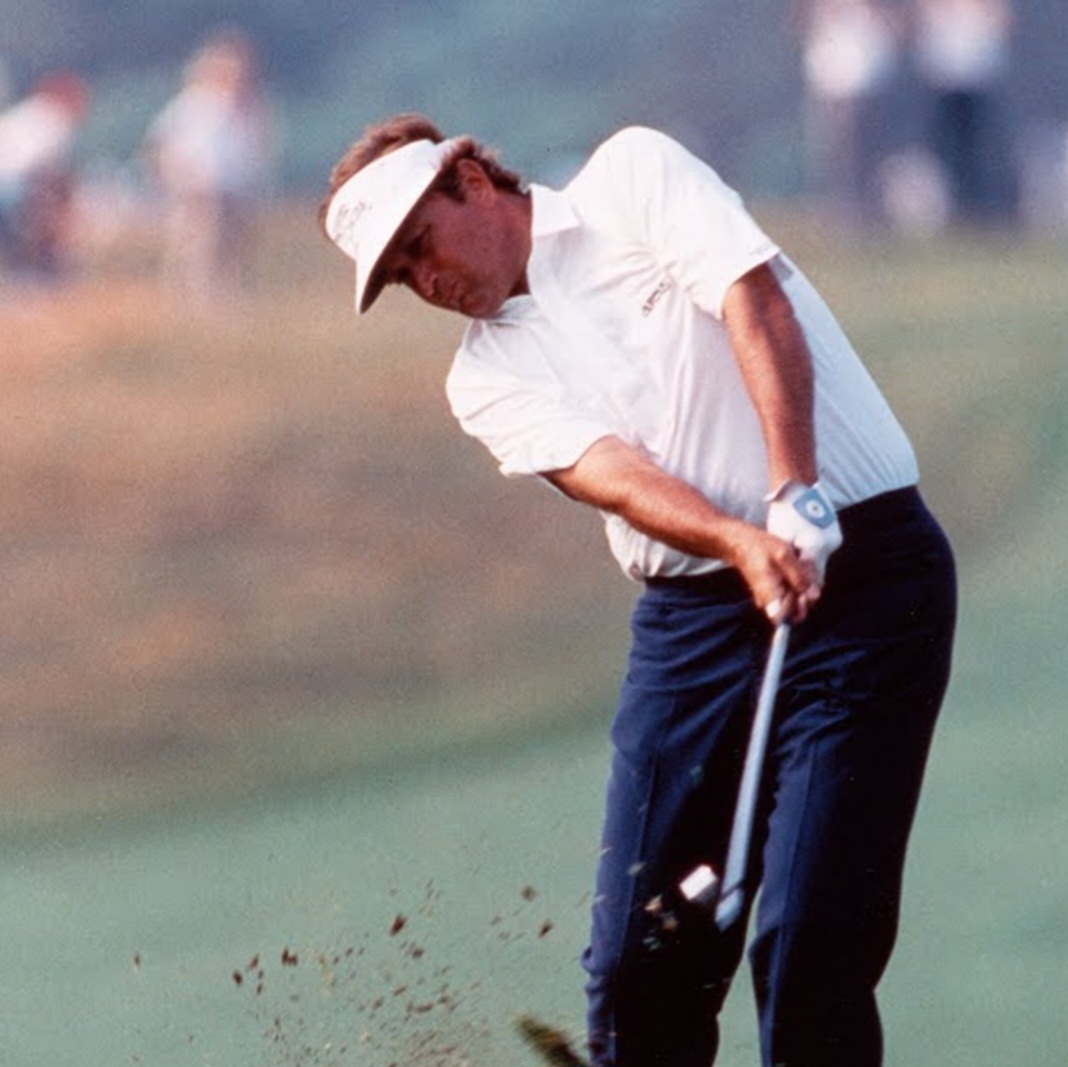
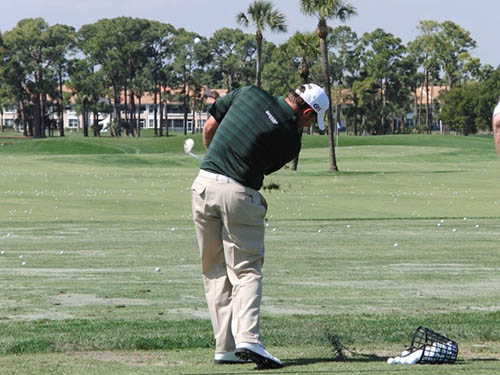
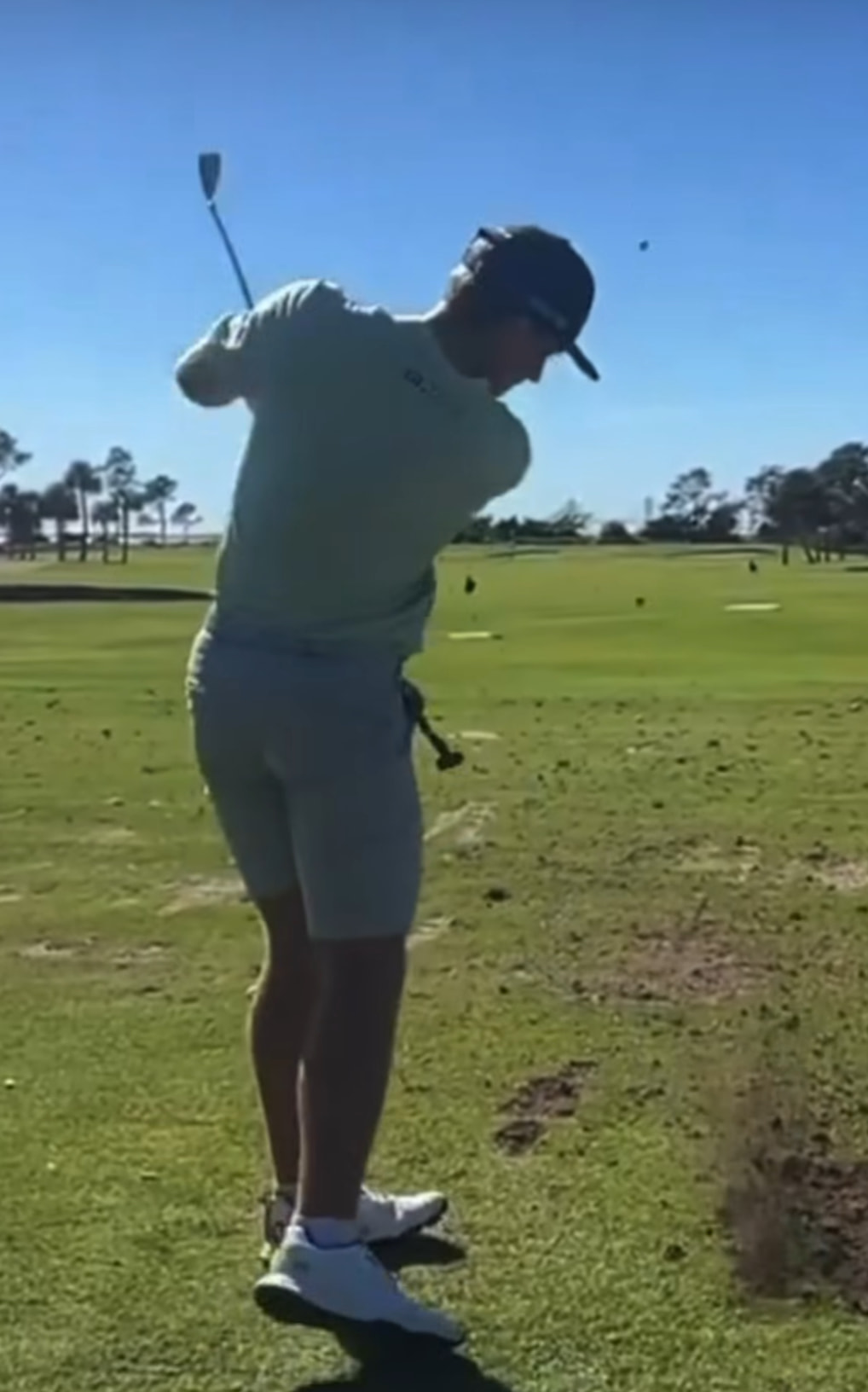
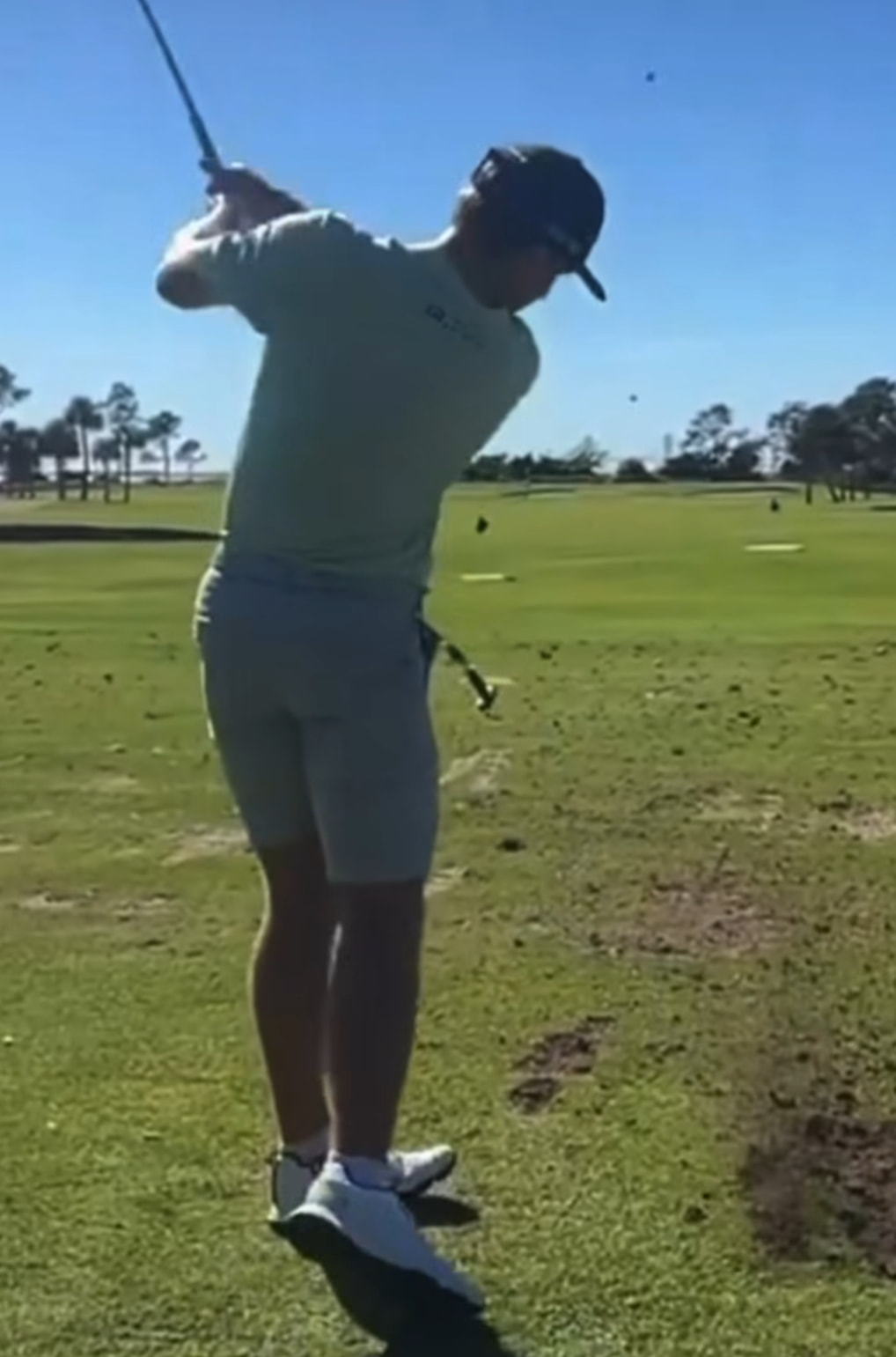
I love the feel of chicken winging it when drilling on the module 4 magic trick. I like to feel like my elbows are getting further apart post impact, not folding over.
I love the feel of chicken winging it when drilling on the module 4 magic trick. I like to feel like my elbows are getting further apart post impact, not folding over.
I have the exact same feeling doing that drill…also helps the hands go low left 
Personally I dread that feeling, I like feeling more connected with the target side arm pit and upper arm feeling like it’s staying as close to the body as possible. When my left arm gets too much space it means that I utilized a throwing motion on that particular swing which still produces good shots it’s just an awareness I have to stay on top of. When I get on my Trackman the difference between me feeling connected is my face to path are between 0.8 left to 2.0 left.
If that connection is not there my face to path goes to 2.0 to 3.8 right. The difference in the shots is a tight cut shot on the connected shot and a 5-10 yard draw on the one that feels like a chicken wing or what I call not feeling connected.
Cheers
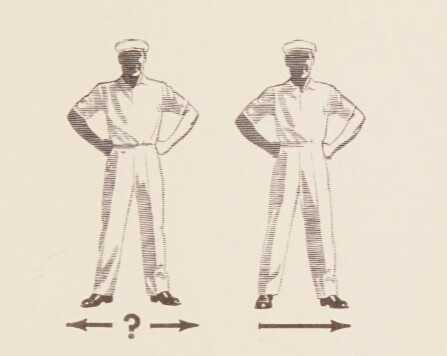
When viewed through an ABS lens, the visible arm separation after impact isn’t a move — it’s a consequence of having properly supported and delivered the mass. Up to and through impact, the club is still being controlled by lag pressure and pivot-driven handle travel. The hands are leading, the handle is moving left, pressure is firmly forward, and the radius is being maintained long enough to extend the flat spot past the ball. In TGM terms, the accumulators are being sustained, not dumped, and the clubhead is still trailing the hands as the strike is completed.
Once the flat spot is paid for and the handle has clearly passed the ball, the accumulators are free to discharge. That’s when the lead arm can fold, the trail arm can extend, and the club can finally release without disrupting compression. The so-called “chicken wing” is simply the visual of radius shortening after lag pressure has already been expended. It’s not a release at impact — it’s the aftermath of having maintained lag pressure long enough for centrifugal force to take over.
The error happens when players try to consciously create separation early. That prematurely dumps lag, collapses the radius, and stalls the handle — which is why it shows up as a flip. But when the player prioritizes sustaining lag pressure, moving the handle left, and continuing pivot support through impact, the arms separate automatically as the accumulators unload. That’s where speed actually peaks — beyond the ball, not at it — exactly as the old strikers demonstrated.
My understanding of this post was an actual chicken wing happening right before impact. That is definitely a huge loss of power and also makes getting true post impact speed also a challenge. Now if they are talking about the same separation that you describe I can get behind that 100%
Cheers
Not sure why thumbnail not showing but link is safe to see Larry Mowry.